Ground Lease or Outright Sale — Which Is Better for a Data Centre Landowner?
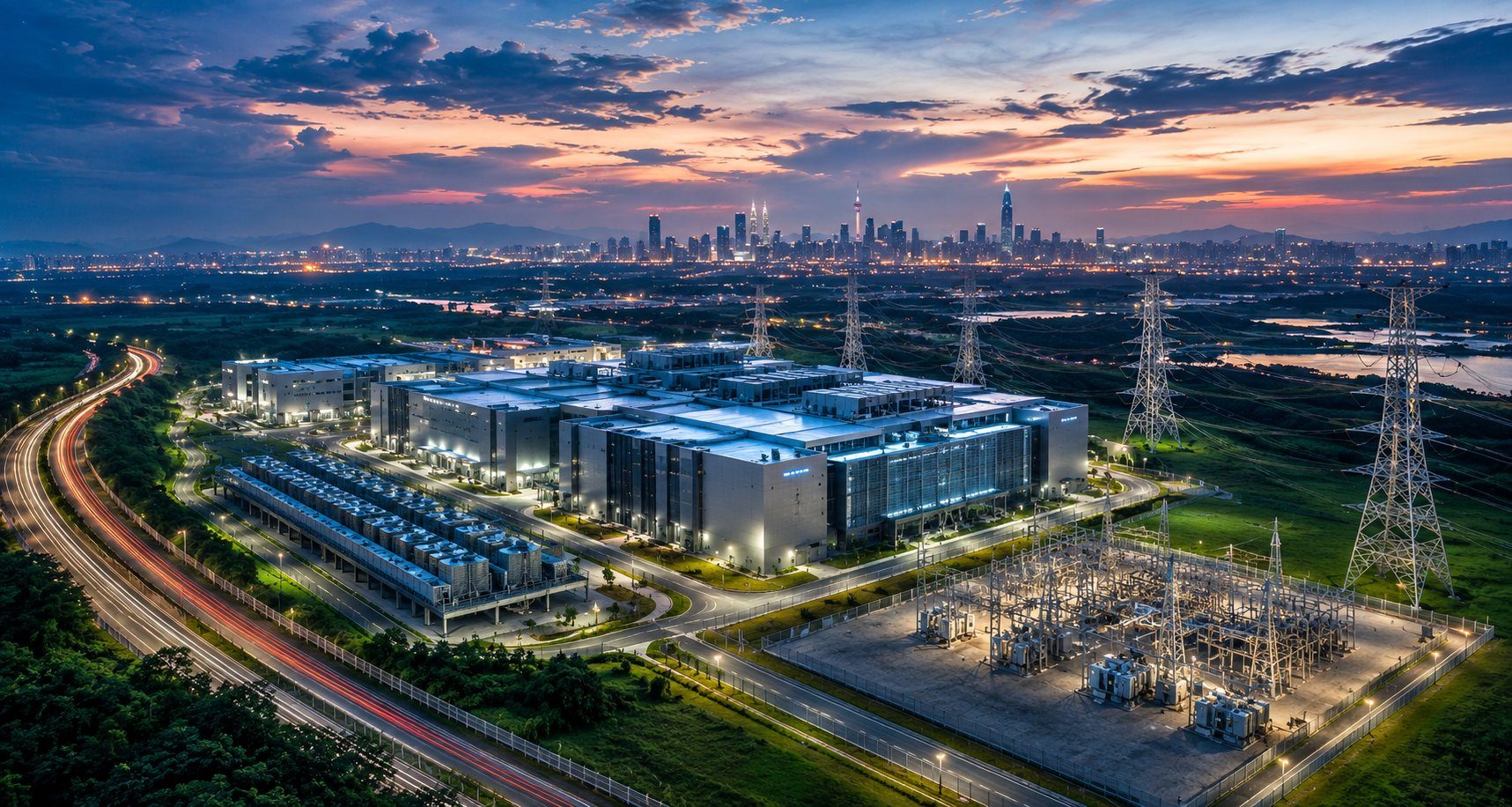
Selling converts land into cash today. A ground lease converts it into income for decades while you keep the asset. Which is better depends far less on the headline numbers than on your tax position, your appetite for counterparty risk, and whether you need the capital.
The two structures
Outright sale
You transfer the title and receive the price. Clean, final, and the proceeds are yours to redeploy. You carry no counterparty risk after completion and no further involvement in the project's success or failure.
Long ground lease
You grant a lease — commonly thirty to ninety-nine years for this kind of use — and the tenant builds the facility at their own cost. You receive ground rent, usually with fixed escalations or periodic reviews, and the land plus any buildings revert at expiry.
The hybrid
Sale of part and lease of the remainder, or a sale with deferred consideration tied to approval or tenant milestones. These are common in practice and often the right answer where a developer wants certainty on phase one but you believe the later phases will be worth more.
Comparing them honestly
Return
A ground lease typically produces a higher total return over the full term than an outright sale, because you are compensated for retaining the asset and taking the duration risk. But the return arrives slowly, and its present value depends entirely on the discount rate you apply and the escalation you negotiate. A lease with no escalation mechanism over forty years is a slow transfer of value to your tenant.
Risk
A sale ends your exposure at completion. A lease means decades of counterparty risk — tenant default, obsolescence of the facility, a sector downturn. Consider that of the 27 DCTF-approved projects as at July 2026, only one was operating and 26 were under construction. You would be betting on your tenant for a very long time.
Control and flexibility
A lease keeps the asset in your family or company but severely limits what you can do with it. You cannot develop it, and selling your freehold interest subject to a long lease fetches considerably less than vacant possession. A sale gives you full flexibility over the proceeds.
The tax dimension, which often decides it
Real Property Gains Tax on a disposal is 30% within the first three years for citizens and permanent residents, 20% in year four, 15% in year five, and 0% from the sixth year. Non-citizens and foreign companies pay 30% for the first five years and 10% thereafter; Malaysian companies pay 10% from year six. Ground rent, by contrast, is income rather than a capital gain and is taxed as such annually. If you have held the land for more than five years and are a citizen, a sale can be remarkably tax-efficient — which frequently settles the argument.
Which suits which owner
- Sell if you need capital, want finality, hold through a citizen individual beyond year five, or do not want a forty-year relationship with a counterparty.
- Lease if you have no need for the capital, want long-term income, and specifically want the land to stay in the family or company.
- Hybrid if you want certainty now and believe the later phases are worth more than today's buyer will pay.
Terms to get right in a lease
- Rent review mechanism and escalation — non-negotiable over long terms
- Who holds the obligation to obtain conversion and planning approvals
- Reversion: what condition the land returns in, and who owns the building
- Assignment and subletting rights, and your consent position
- Default, step-in and termination remedies
- Who bears quit rent, assessment and insurance
How Ken helps
Ken represents landowners on both structures and can model the two against your actual tax position and capital needs before you commit. The right answer varies genuinely between owners holding adjacent parcels — it is a question about you, not only about the land.

Frequently Asked Questions
Is it better to sell or lease data centre land?
It depends on your tax position, capital needs and appetite for decades of counterparty risk. A lease usually produces a higher total return but arrives slowly; a sale ends your exposure at completion.
How does RPGT affect the decision?
Substantially. For citizens and permanent residents RPGT is 30% within three years, 20% in year four, 15% in year five and 0% from the sixth year. If you have held beyond five years, a sale can be very tax-efficient.
How long is a data centre ground lease?
Commonly thirty to ninety-nine years for this use. Over those terms a rent review and escalation mechanism is essential — a flat rent over forty years slowly transfers value to your tenant.
What is the main risk of leasing?
Decades of counterparty risk — tenant default, facility obsolescence, sector downturn. Note that of 27 DCTF-approved projects to July 2026, only one was operating and 26 were under construction.
What is a hybrid structure?
Selling part and leasing the rest, or selling with deferred consideration tied to approval or tenant milestones. Common where a developer wants certainty on phase one but you believe later phases are worth more.
Thinking of buying or selling in Malaysia?
Ken Tck is a Semi-D & Bungalow Specialist across KL & Selangor. Get current listings, honest pricing and a free valuation — no obligation.