Buying a New Detached Factory in Klang — Specification, Price and Checks
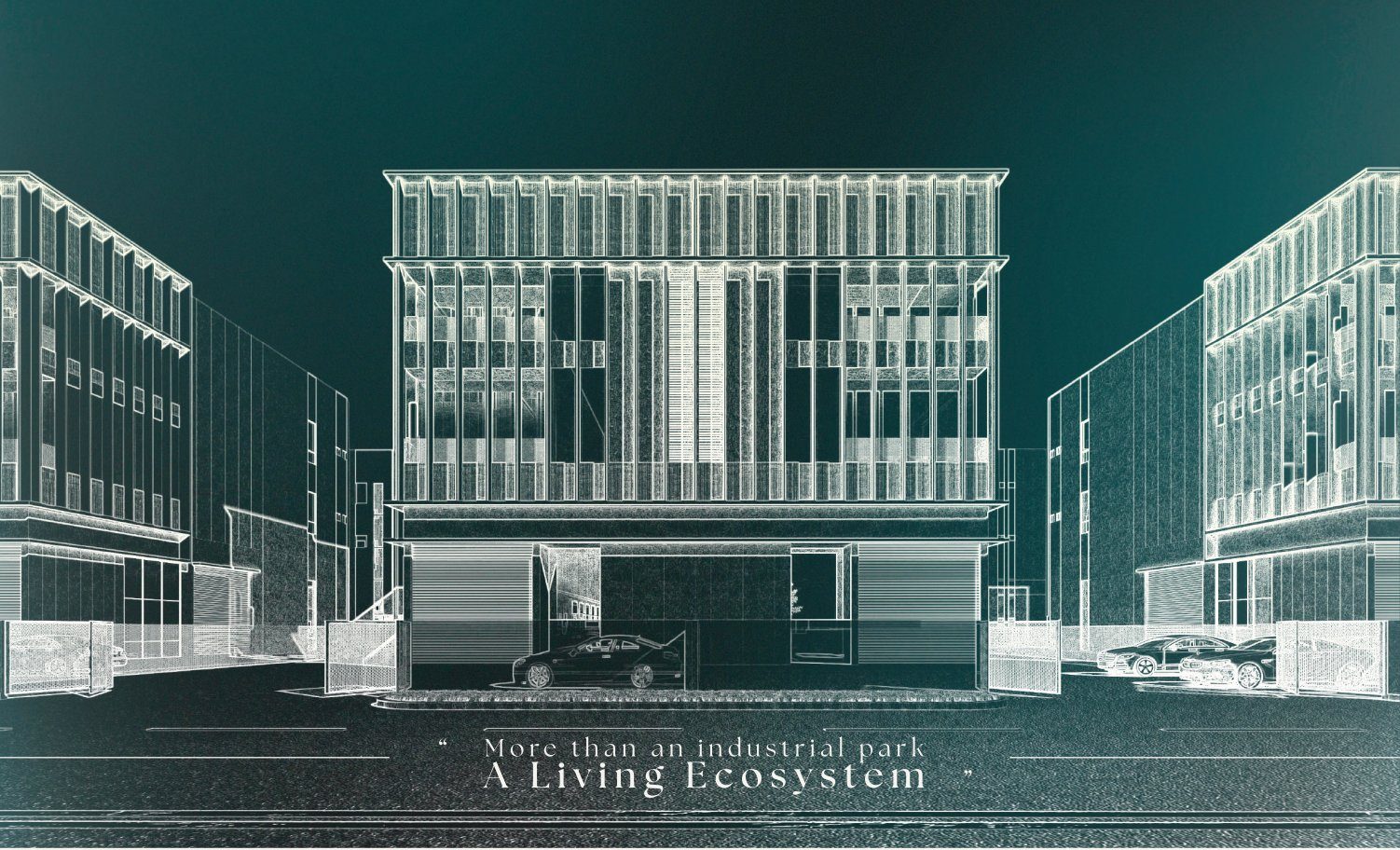
A new detached factory is bought on specification, not floor area. Power capacity, floor loading, eaves height and container access decide whether the building actually supports your operation — and whether the next buyer will want it.
Why detached
A detached factory occupies its own plot with independent access on all sides. That gives you room for loading on more than one face, space for expansion, control over your own yard and security, and no party-wall relationship with a neighbour whose operation may be noisier or dirtier than yours. You pay for all of that, and for most growing operations it is worth paying for.
The specification that actually matters
Power capacity
The first question, and the one most often skipped. Confirm the incoming supply in writing, the voltage tier, and whether there is headroom for your equipment. Upgrading supply after purchase is slow and expensive, and a building that cannot power your line is not a cheap building.
Floor loading
Expressed in kilonewtons per square metre or tonnes per square metre. Heavy machinery, racking and stacked stock all require capacity that a lightly-specified slab will not have. Retrofitting a floor is disruptive and costly, so verify the structural design rather than assuming.
Eaves height and clear span
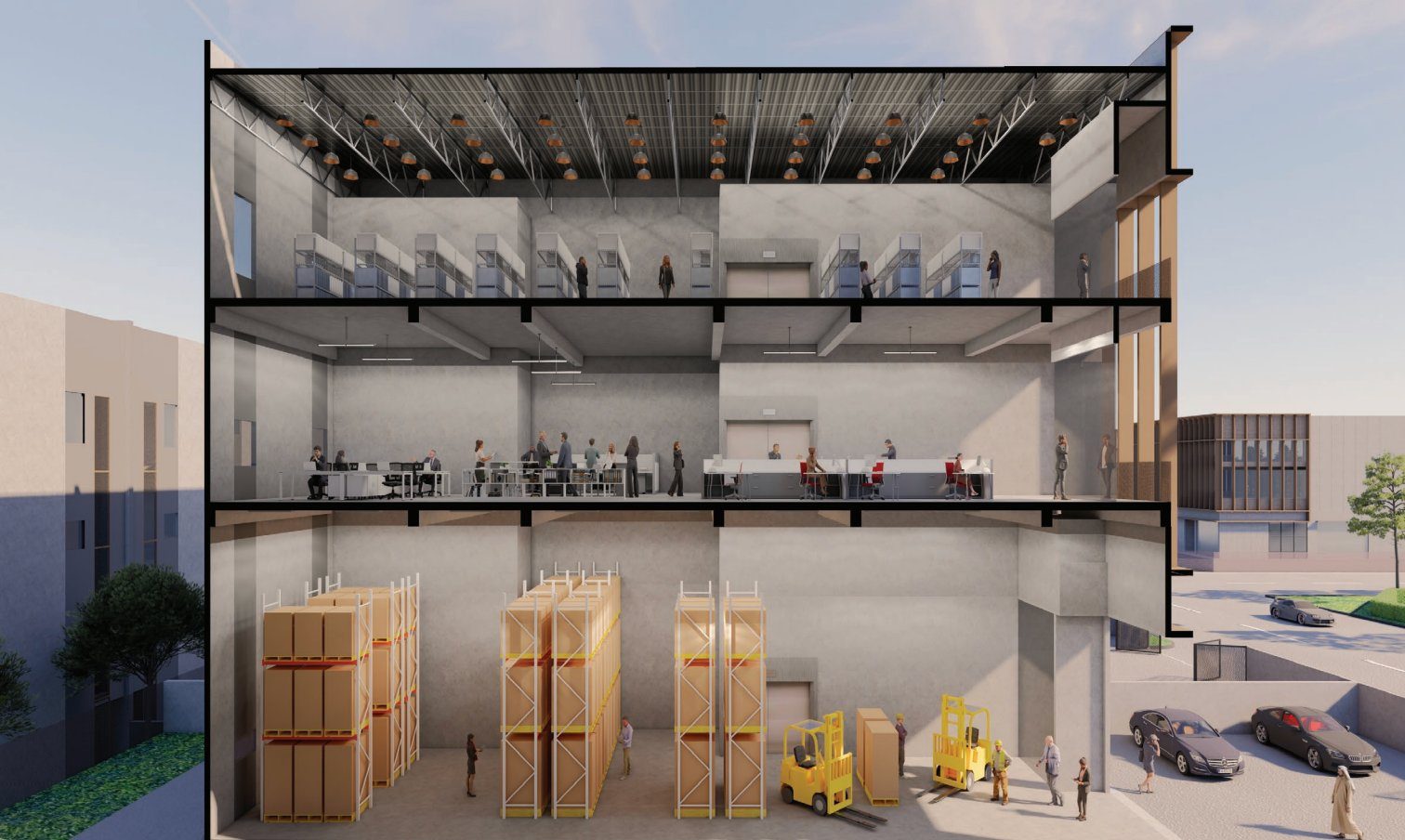
Eaves height decides your racking configuration and therefore your storage economics. Clear span — the distance between columns — decides how usable the floor plate is. A building with the same area but closer column spacing is materially less useful for most operations.
Access and yard
Confirm that a forty-foot container can enter, manoeuvre and turn. Check the loading bay configuration, dock levellers if relevant, and whether the yard depth allows a prime mover to reverse without using the public road.
The specifications people regret ignoring
Drainage and the sewerage connection, three-phase distribution within the building, sprinkler and fire certification appropriate to your stored goods, and whether the office component is sized sensibly for your headcount. Each is cheap to check now and expensive to fix later.
Compliance documents to demand
- Certificate of Completion and Compliance (CCC) — the building is lawfully complete
- Approved building plans, and confirmation the built structure matches them
- Fire certification from the fire authority
- Any unapproved extensions, identified and resolved
- Title: category of use and express conditions permitting your activity
- Tenure, and if leasehold, the remaining term
- Quit rent and assessment paid up to date
Why the CCC matters more than people think
Without it the building is not lawfully occupiable, financing becomes difficult, and your insurance position may be compromised. On a new factory it should be straightforward; if it is missing or delayed, find out exactly why before proceeding.
What the transaction costs
Beyond the purchase price, budget for stamp duty on the transfer — 1% on the first RM100,000, 2% to RM500,000, 3% to RM1 million and 4% above that — plus legal fees on the sale agreement and the loan, valuation, disbursements and your own fit-out. On an industrial purchase the margin of financing is typically lower than for residential property, so the cash requirement is higher than many first-time industrial buyers expect.
Financing
Industrial lending is assessed on the business as much as the building. Expect the bank to want your accounts, a realistic valuation and a view on the resale depth of the specific building. A highly specialised building with a thin resale pool will attract a less generous margin.
Buying for the next buyer
Specialised buildings suit their first occupier and nobody else. Where your requirements allow, favour specification that a broad range of operations could use — sensible eaves height, good clear span, adequate power, decent access. It costs little more and it protects your exit.
How Ken helps
Ken handles factory and industrial land transactions across Klang and the wider Klang Valley. Tell him your load, floor loading, height and access requirements and he will shortlist buildings that genuinely meet them — and flag the ones that look right on paper but will not.

Frequently Asked Questions
What should I check first on a detached factory?
Incoming power capacity in writing, then floor loading, eaves height and clear span, then container access. These four decide whether the building supports your operation and whether the next buyer will want it.
What is clear span and why does it matter?
The distance between structural columns. Two buildings of identical floor area can be very differently usable — closer column spacing obstructs layout, racking and material handling.
Why is the CCC important?
The Certificate of Completion and Compliance confirms the building is lawfully complete and occupiable. Without it financing is difficult and your insurance position may be compromised.
How much deposit do I need for a factory?
More than for residential — industrial margins of financing are typically lower, and lenders assess the business as well as the building. Budget stamp duty of 1-4% tiered, plus legal fees, valuation and fit-out on top.
Should I buy a specialised building?
Only if you must. Specialised buildings suit their first occupier and few others, which weakens both your financing terms and your exit. Broadly usable specification protects resale.
Thinking of buying or selling in Klang?
Ken Tck is a Semi-D & Bungalow Specialist across KL & Selangor. Get current listings, honest pricing and a free valuation — no obligation.